
Looking Up Your Desert Hot Springs Neighbors
A block lookup uses several narrow sources. RivCoView shows parcel geometry and adjoining APNs. The ACR office can resolve a selected APN to an assessment-roll owner. The recorder shows transfers affecting a named party or legal description. A controlled voter file may show qualified registration data for a lawful purpose. City records and public civic rosters add public roles, not private household composition.
| Source | What it shows about a block | Access |
|---|---|---|
| RivCoView | Parcel geometry, adjoining APNs, values, sales, permits, boundaries | Free map viewer |
| ACR assessment office | Owner tied to a resolved APN at the assessment date | Public office computer or microfiche |
| Recorder index | Transfers, liens, parties, document dates, legal descriptions | Free index; paid copies |
| Riverside voter product | Qualified registration data by permitted geography or street | Application, purpose, and possible charge |
| City permits and code | Address projects, applicants, contractors, and case dates | Department or CPRA request |
| Boards and civic groups | Public officials, meeting participants, and voluntary contacts | Public web pages and agendas |
Use the source that answers the block question. A map gives adjacency. An owner roll gives a property relationship. A civic roster gives a public role. None is a complete list of people nearby.
Define the Desert Hot Springs Neighbor Block
“Neighbors” can mean the lots sharing a boundary, the homes on one block face, a subdivision, a one-block walk, or a wider map radius. Choose the definition before collecting names. Record the subject address, date, direction, and whether the result includes only touching parcels or the whole block.
A Desert Hot Springs neighbors lookup is only repeatable when that boundary is written down first. RivCoView and assessor maps are better for this definition than a street-name search. A parcel can be deep, irregular, split by an alley, part of a resort or manufactured-home park, or adjacent to a different jurisdiction. Note the APN and recorded-map reference for every selected polygon.
Block rule. Start with geography. Do not collect a name first and then draw a boundary around the result.
The RivCoView parcel viewer supplies the map layer. Its selection tools are more precise than a broad ZIP or postal-city filter.
Map the Desert Hot Springs Neighbor Block
The exact county help route supports a repeatable neighbors workflow. Search by a single APN, multiple APNs, or address. The autocomplete result selects the subject parcel. Activate Select Parcel(s), click the surrounding polygons, and keep the upper selection panel and lower report links tied to each APN.
Layers can include address points, parcels and APNs, city and county boundaries, census tracts, supervisorial districts, spheres of influence, proposed or completed annexations, flood districts, tribal lands, school and water districts, and ZIP codes. Use those layers to see whether the adjacent parcel belongs to the same service area.
- Normalize the subject address and resolve it to an APN through Riverside Property Search.
- Search the APN or address in RivCoView and zoom until parcel lines and labels are clear.
- Activate Select Parcel(s), click the subject and each chosen adjoining polygon, and record the APNs in order.
- Open the assessor parcel map, tract map, or multiple-parcel report for the selected set.
- Use each APN at the ACR public counter and date the owner result before comparing it with deeds or permits.
Clear Selections removes the highlights. A saved list of APNs makes a later check repeatable without implying that the map itself contains a resident roll.
Desert Hot Springs Neighbor Map to Owners
RivCoView and assessor map PDFs deliberately omit the online owner field in the way a private name directory would display it. The map shows parcel lines, dimensions, acreage, street width, adjoining APNs, and recorded-map information. Select the APN, then take it to an ACR public office computer or microfiche lookup. The owner is a dated assessment-roll relationship, not a claim about who is physically present.
The ACR public-record route can also explain whether a mailing address or situs field is available. A mailing address may point to a PO box, trust, manager, or another parcel. A situs is the physical location. A mismatch is a clue for more research, never proof that a person lives elsewhere. Riverside ACR public-record guidance describes the ownership and parcel-access boundary.
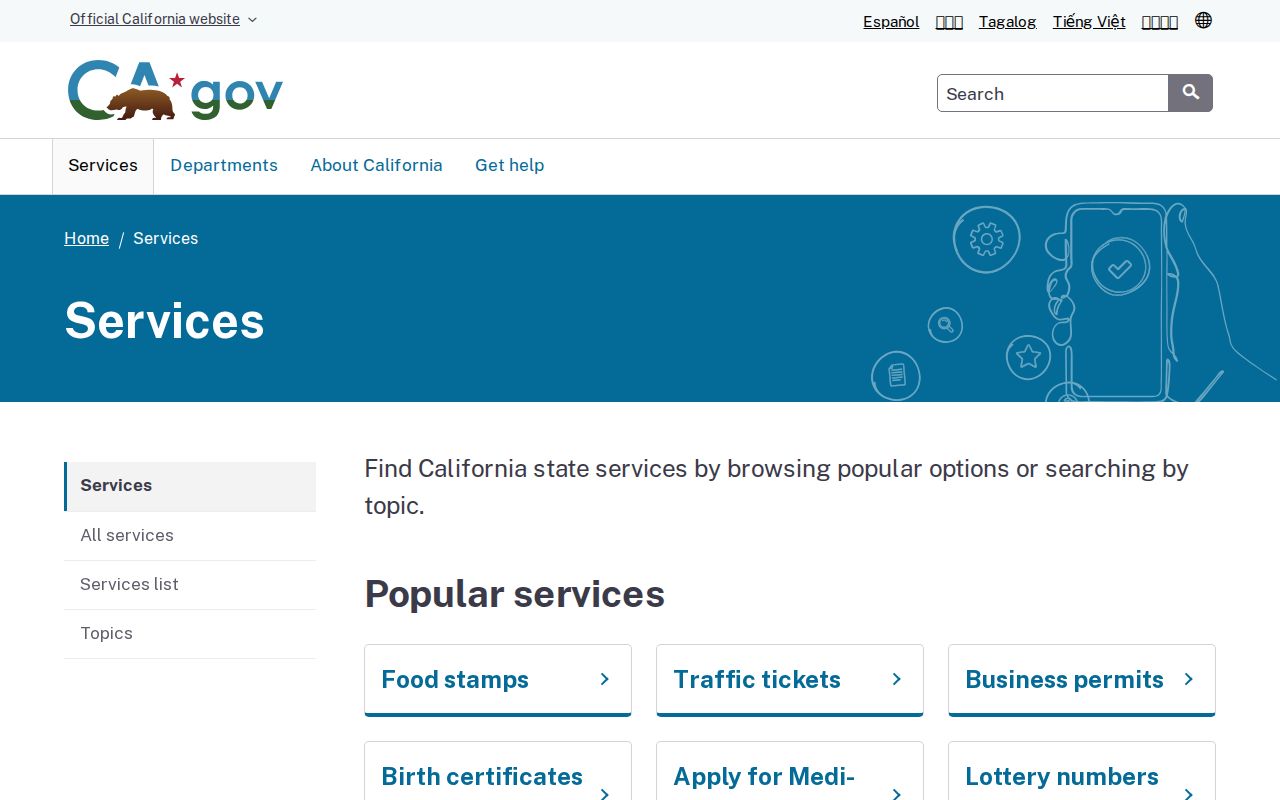
The public-record page makes the crucial distinction between a web map and an office ownership lookup.
Repeat the same process for each selected APN. Do not copy one owner across several parcels without a separate result.
Desert Hot Springs Neighbor Owners and Voters
Neighbors can be described by different record relationships. An owner may not occupy the parcel. A permit applicant may be a contractor. A business agent may have an office address. A registered voter is a qualified registrant whose data is controlled by Elections Code section 2194. A public meeting participant is tied to a civic act. Keep those categories separate.
- Owner
- Assessment-roll relationship available through the ACR office by APN or address.
- Recorded party
- Person or entity named in a deed, lien, or other recorded document.
- Occupant clue
- Historical directory or dated public record that may identify a listed person, not a full current list.
- Registered voter
- Controlled registration data available through self-status or a permitted county application.
- Civic contact
- Public official, board member, speaker, or voluntary group contact shown in public material.
The California My Voter Status tool checks the voter's own status. It cannot be used to identify neighbors. A street index or walking list is a separate Riverside product with an application, qualifying purpose, and use agreement.
Restricted Desert Hot Springs Neighbor Voter Index
Riverside describes a precinct Street Index of Voters or Walking List ordered by street address. It can include registered voters, political affiliation, and an optional telephone field. The county file is available only for election, governmental, scholarly, journalistic, or political purposes under Elections Code section 2194. Commercial use is prohibited, and confidential voters are omitted.
That restricted product cannot turn a Desert Hot Springs neighbors search into an open street roster.
An application identifies the requester, organization, geography, intended use, security acknowledgments, signature, and payment. Available fields can include name, residence or mailing address, party preference, status, precinct or district, registration date, and election participation history. It never reveals ballot choices, and sensitive identifiers and signatures are withheld.
The county publishes registration guidance and data-request routes through Riverside Registrar helpful links and its voter-data help page. Do not treat the personal status page or a street index as a general neighbor directory.
Find Desert Hot Springs Neighbor Contacts
No official inventory of Desert Hot Springs neighborhood-association or HOA member directories was located. Verified civic layers are safer: city boards and commissions, public agendas, meeting minutes, Chamber or business-member pages, and voluntary clubs. These sources document public roles and contact channels, not a private membership roll.
| Community layer | What can be verified | Route |
|---|---|---|
| City boards and commissions | Appointed members, agendas, applicants, public speakers | City public pages |
| City meetings | Public participation and official contacts | Agendas, minutes, clerk records |
| Chamber or business members | Public business contacts and premises | Voluntary directory or entity search |
| Neighborhood or HOA groups | Governing documents or a public contact when offered | Ask the group; do not assume member roster access |
For an existing city record, the Desert Hot Springs NextRequest portal can show prior requests or accept a narrow request. It does not make a private association roster public.
Official Desert Hot Springs Neighbor Records
Official rolls and commercial compiled neighbor tools have different strengths. A primary record has a custodian, field definition, date, and access rule. A compiled result may join many sources without showing which parcel or date produced a name. Use the primary record when a block fact needs to be checked or corrected.
| Route | Useful strength | What to question |
|---|---|---|
| RivCoView | Precise parcel adjacency and jurisdiction layers | It is not a resident list and owner data is limited online |
| ACR office roll | Dated ownership relationship by APN or address | Owner is not automatically occupant |
| Recorder index | Named transfers and legal descriptions | Party status is not current presence |
| Compiled neighbor data | May gather scattered public clues | Stale dates, wrong matches, unclear sources, and privacy limits |
A block search should keep the map, APN, source date, and relationship label together. It should not create a new list of private names from disconnected clues.
Keep Protected Desert Hot Springs Neighbors Private
California Safe at Home supplies a substitute mailing address and forwarding for qualifying survivors and protected public-facing workers. Confidential voters can have residence information shielded in qualifying circumstances. Public-record redaction is specific to the record and statute. Safe at Home explains the official confidentiality program.
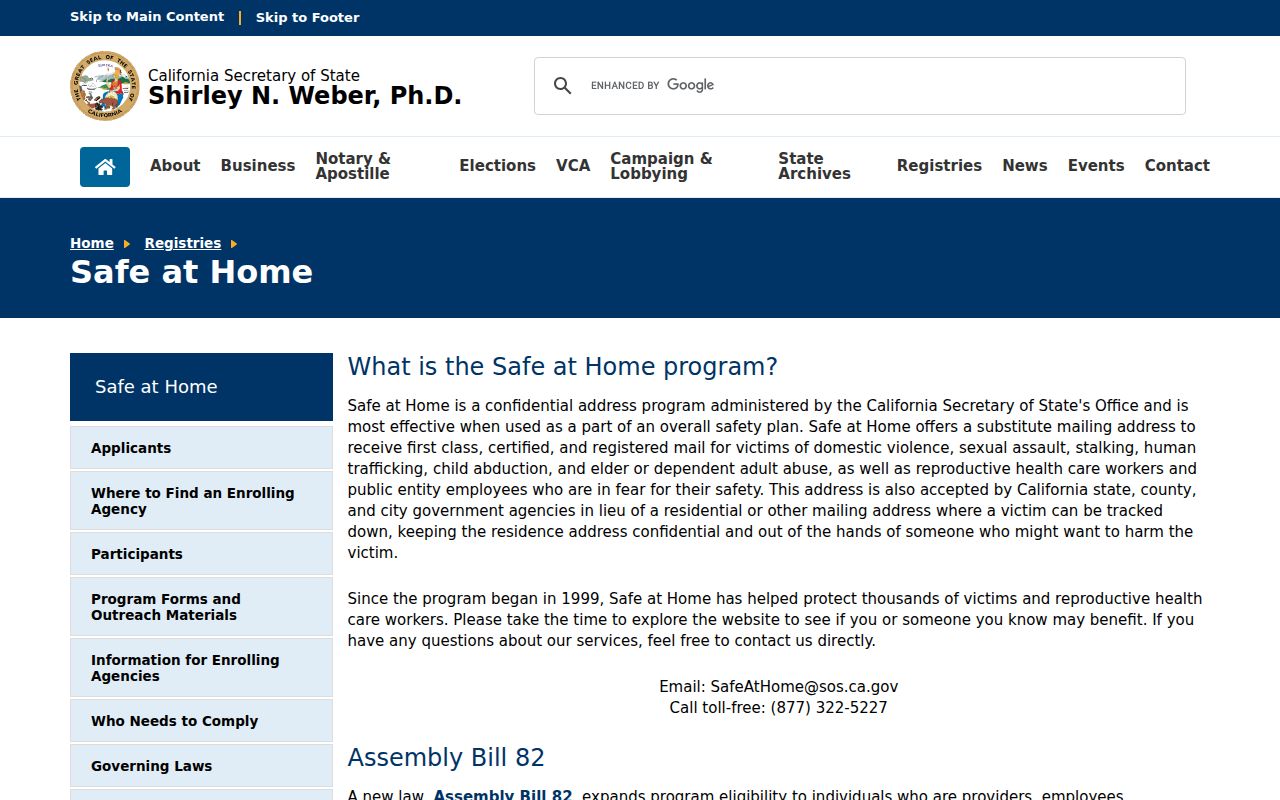
The program protects a mailing route for qualifying people; it is not a challenge to work around with other record sources.
Protected people remain part of the Desert Hot Springs neighbors privacy question even when a map makes the parcel easy to select.
Lawful use. Desert Hot Springs neighbor records support personal, lawful research and civic contact. Never use a block lookup to stalk, harass, intimidate, or harm anyone. Note: Date the block, name the source, and stop when the next step would expose a protected household member or private contact.
Desert Hot Springs Neighbor DROP Privacy
The state DROP portal began accepting requests January 1, 2026, and registered data brokers began processing them August 1, 2026. A request can affect broker-held names, ZIPs, phones, emails, and similar identifiers. It does not change the ACR or court custodian. California DROP is the state deletion route.
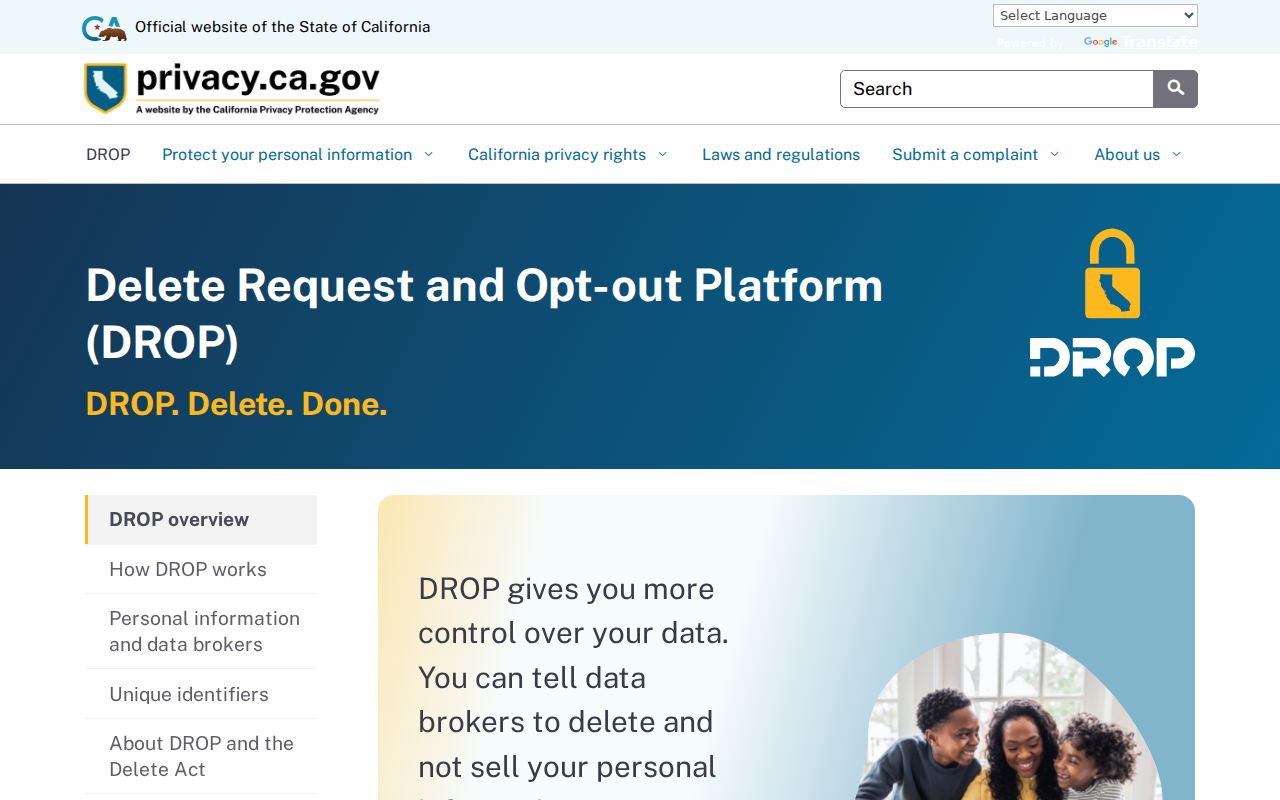
The deletion portal is a privacy tool, not a source for finding more people around a parcel. Keep it separate from the public-record question and use the custodian when a valid deed, court file, or voter rule controls access.